chr17:7,676,154 · TP53 · pipeline LIVE

AI-powered precision medicine

Clinical Genomics & Multi-Omics Intelligence

Tribro-Omics turns raw sequence into clinical answers — an end-to-end platform spanning sequencing, multi-omics integration and AI interpretation, from sample to signed report.

0
samples analyzed
0
clinical partners
0
accuracy rate
0
variants interpreted
Tribr mics
DECODING BIOLOGY · END TO END
Laboratory overviewDemonstration data
0
cases in progress
0
samples in flight
0
runs passing QC
Samples reported / day
1234567891011121314
Variant calling · running AI triage · active
GRCh38 referenceHPO phenotype ontologyACMG/AMP variant classification Phenopacket v2 exchangeFHIR R4 mapping200 curated gene panels WGS · WES · RNA-seqClinVar annotationSample to signed report

Our services

End-to-end genomic medicine

From sequencing to clinical interpretation — six service lines covering the full precision-medicine workflow.

🧬

Whole Genome Sequencing

Comprehensive genomic analysis providing complete DNA sequencing for clinical and research applications with the highest accuracy.

🔬

Clinical Diagnostics

Advanced diagnostic testing for genetic disorders, rare diseases and personalized treatment recommendations.

📊

Bioinformatics Analysis

State-of-the-art computational analysis and interpretation of genomic data using AI and machine learning.

💊

Pharmacogenomics

Personalized drug-response prediction based on genetic makeup to optimize therapeutic outcomes.

🎯

Cancer Genomics

Comprehensive tumor profiling and liquid-biopsy solutions for precision oncology applications.

👶

Reproductive Health

Preconception screening, prenatal testing and newborn genetic screening services.

Our products

The Tribro product suite

Modular, clinical-grade products for sequencing, interpretation and reporting.

WGSTribro

Whole Genome Sequencing solution providing comprehensive genomic analysis with advanced variant detection and clinical interpretation.

  • 30X coverage genome sequencing
  • SNV, CNV and SV detection
  • Clinical-grade reporting
  • Pharmacogenomic insights
  • Ancestry analysis
WESTribro

Whole Exome Sequencing focusing on protein-coding regions for cost-effective diagnostic testing and rare-disease identification.

  • Clinical exome sequencing
  • Rare variant prioritization
  • Trio analysis available
  • ACMG guidelines compliance
  • Genetic counseling support
PANELTribro

Targeted gene-panel testing for specific clinical conditions with focused analysis and rapid turnaround times.

  • Customizable gene panels
  • Disease-specific testing
  • High-depth coverage
  • Rapid reporting
  • Cost-effective solution
VARIANTTribro

Advanced variant analysis and interpretation platform using AI-powered algorithms for accurate clinical reporting.

  • AI-powered variant calling
  • Population database integration
  • Clinical significance scoring
  • Automated reporting
  • Quality control metrics
RNASEQTribro

RNA sequencing analysis for gene-expression profiling, transcript analysis and functional genomics research.

  • Bulk and single-cell RNA-seq
  • Differential expression analysis
  • Pathway enrichment
  • Splice variant detection
  • Fusion gene identification
Challenge Card

NEGATIVE report → Tribro-Omics POSITIVE report

We challenge ourselves and invite customers to share their negative reports and associated data — we will work to solve your case.

— Tribro-Omics team

Submit your case →

End-to-end solution

Watch a case run, sample to report

PIPELINE RUNNING · case TBO-2026-0417
1
🩸

Sample Intake

Blood, tissue, FFPE or cfDNA accessioned & QC'd

2
🧪

Library & Sequencing

NGS library prep and high-depth sequencing

3
📐

QC & Alignment

Quality control and reference alignment

4
🧬

Variant Calling

SNV, CNV and structural variant detection

5
🤖

AI Interpretation

Prioritization, ACMG classification, literature

6
📄

Clinical Report

Structured, reviewable report for sign-out

[INTAKE]Initializing pipeline…

Inside the laboratory

How a case becomes a signed report

Six stages, each with its own checks. Nothing moves to the next stage until the one before it passes.

Sample intakeLibrary preparation and sequencingAlignment and quality controlVariant calling and filteringPhenotype-driven interpretationClinical report and sign-off
01Sample intake
  1. Step 01 · Accessioning

    Sample intake

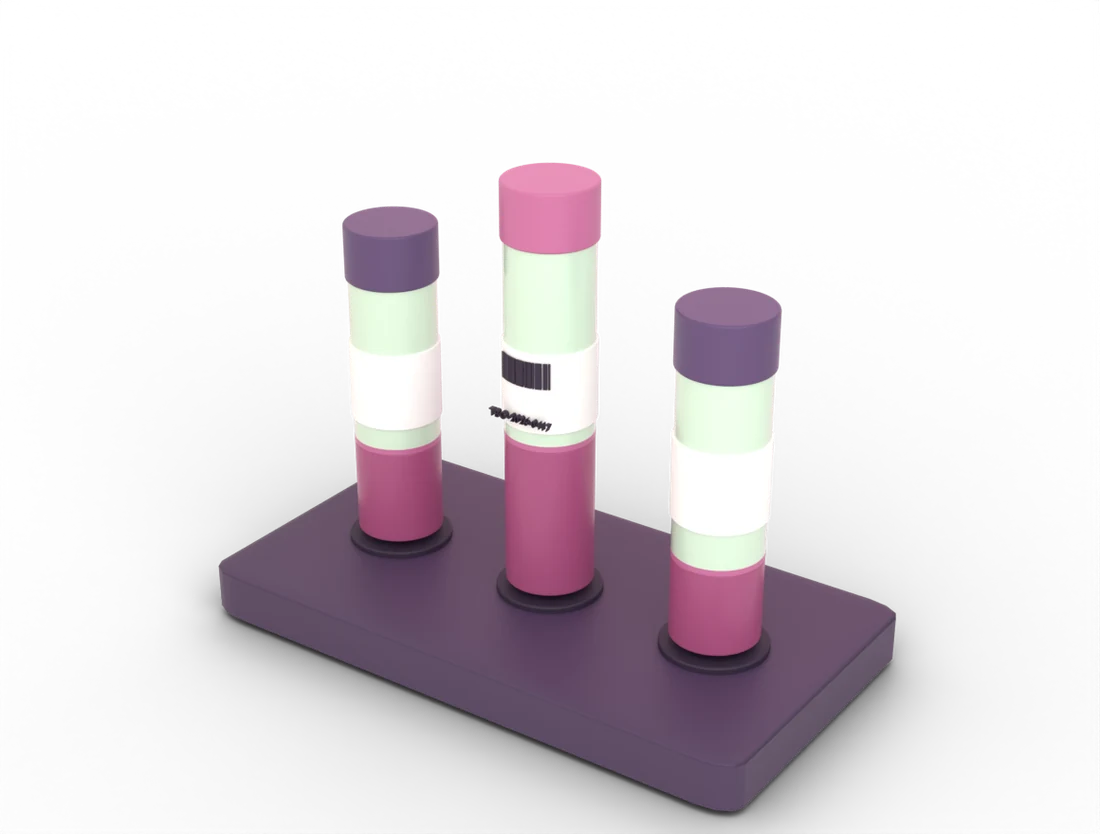
    Blood, saliva, tissue or extracted DNA arrives with its request form. Two identifiers on the tube are checked against the requisition, consent is confirmed and the condition on arrival is recorded. The sample is given its own barcode and its chain of custody starts.

    • Two-identifier check
    • Consent on file
    • Barcode and storage position
    • Rejection raises a nonconformance
  2. Step 02 · Wet laboratory

    Library preparation and sequencing

    DNA is extracted and measured for concentration, purity and yield. Libraries are prepared, indexed and pooled onto a flow cell. The same route carries whole-genome, whole-exome, gene panel and RNA sequencing.

    • Extraction and library QC thresholds
    • Index collision check before loading
    • Repeat attempts recorded, not overwritten
    • Sample sheet generated for the instrument
  3. Step 03 · Bioinformatics

    Alignment and quality control

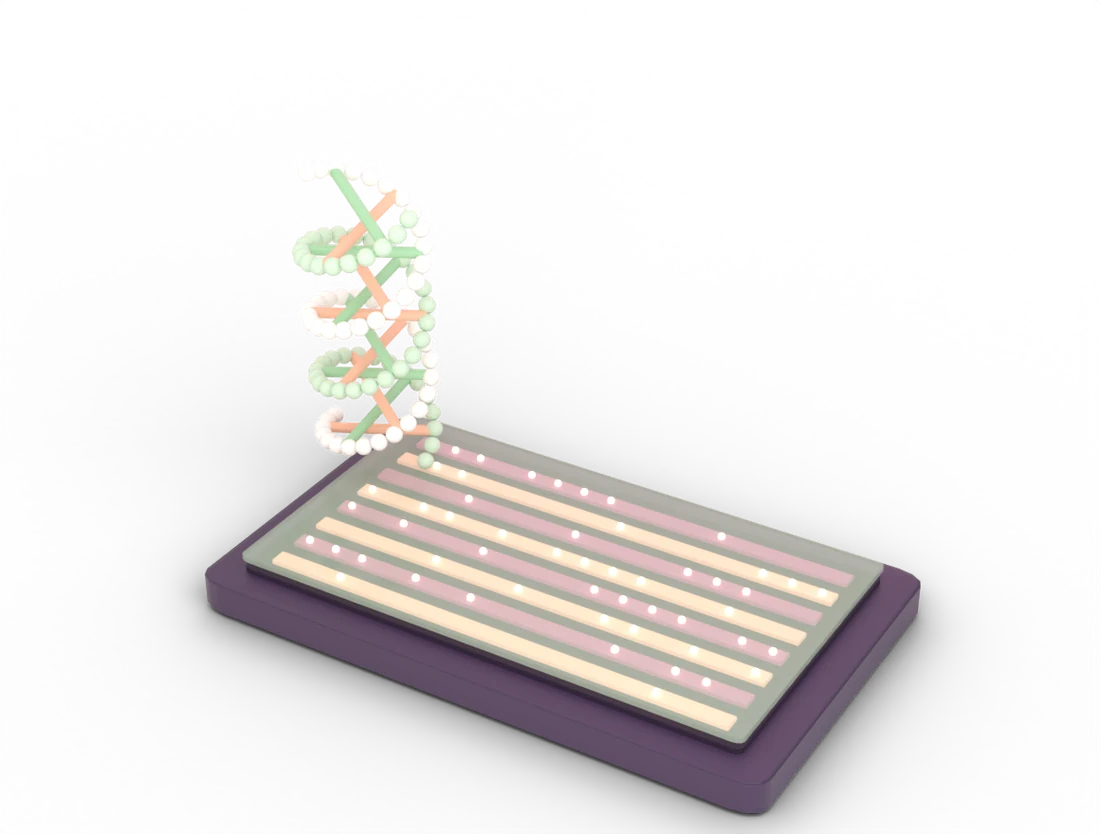
    Reads are aligned to the GRCh38 reference. Mean depth, the share of target bases at 20× or better, duplicate rate, contamination and sex concordance with the case record are all checked against the laboratory thresholds before anything is interpreted.

    • GRCh38 reference
    • Depth and 20× coverage
    • Duplicates and contamination
    • Sex concordance with the record
  4. Step 04 · Bioinformatics

    Variant calling and filtering

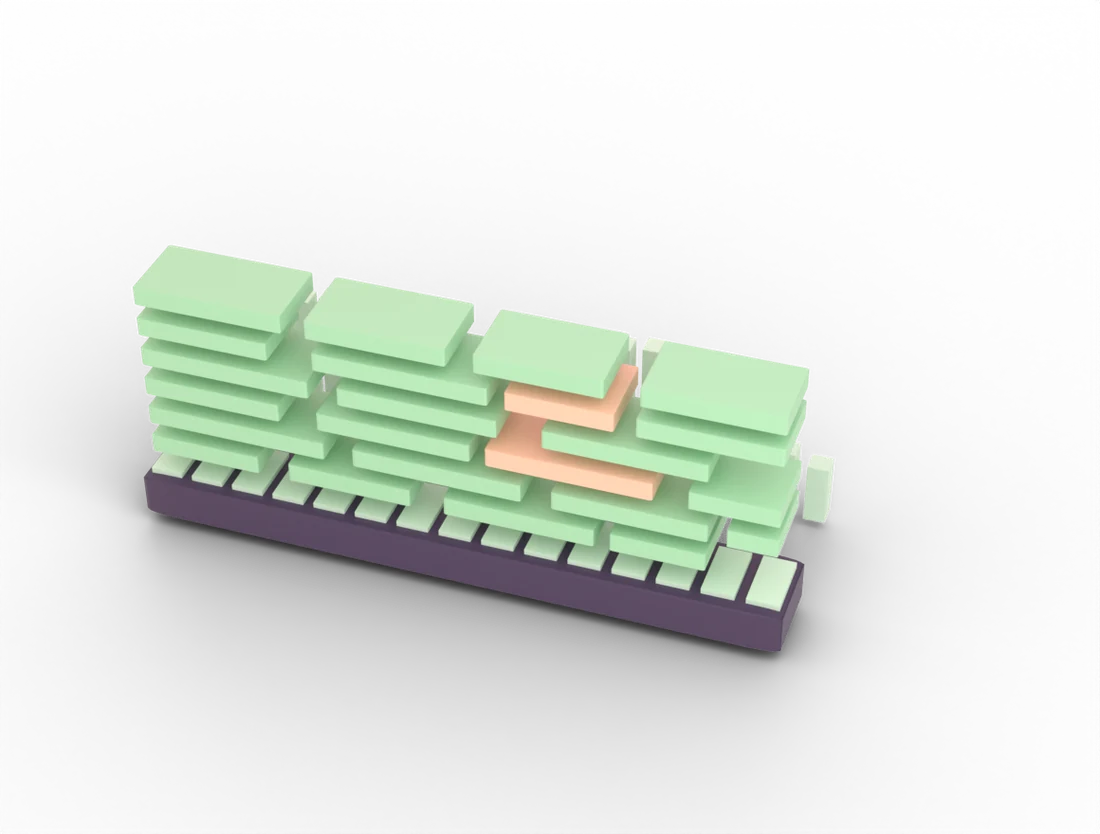
    Single-nucleotide variants, small insertions and deletions are called and annotated with population frequency and ClinVar, then filtered to the genes the clinician ordered and to the phenotype recorded for the patient.

    • Annotated VCF import
    • Filtered to the ordered panel
    • Population frequency and ClinVar
    • Shortlist for curation
  5. Step 05 · Clinical science

    Phenotype-driven interpretation

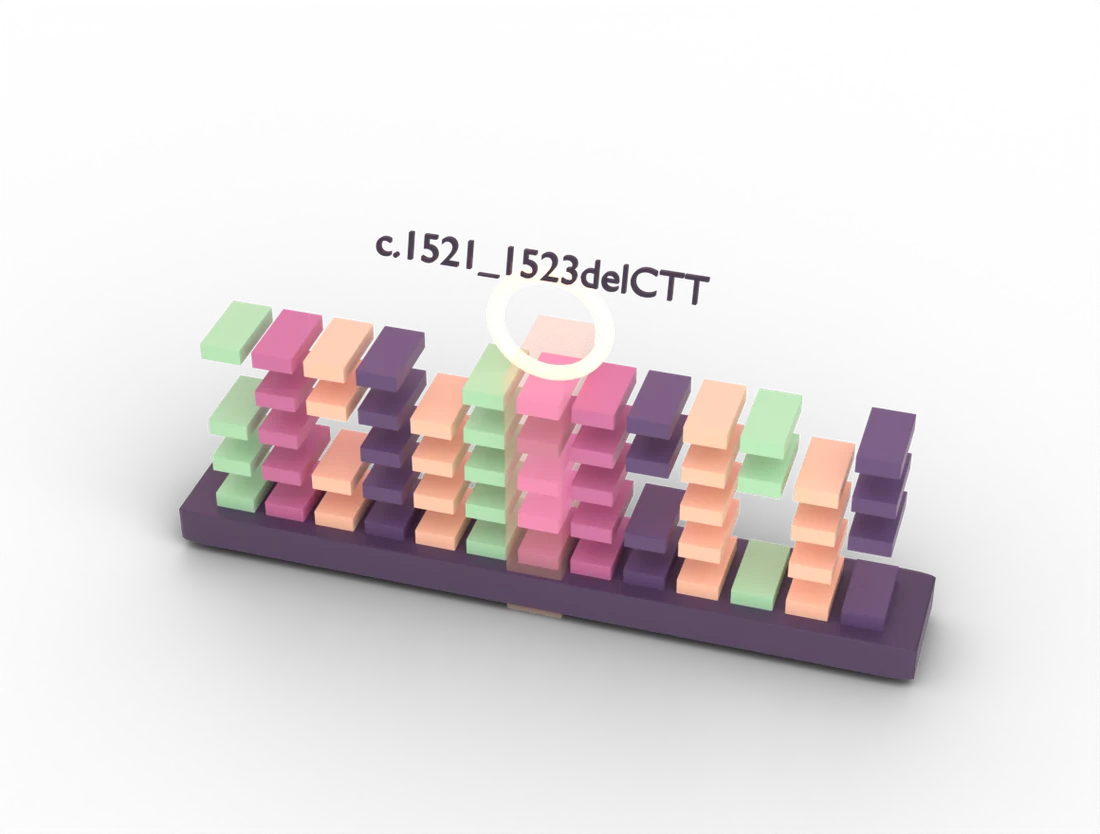
    The patient’s HPO terms rank candidate genes and gene panels by how much of the phenotype each explains. Every shortlisted variant is then classified by a curator against the 28 ACMG/AMP criteria. The ranking supports the scientist; it never replaces them.

    • HPO phenotype profile
    • Information-content gene ranking
    • ACMG/AMP 2015 classification
    • Override only with a written reason
  6. Step 06 · Reporting

    Clinical report and sign-off

    Result, interpretation, recommendations, methods and limitations are drafted from the shortlist, reviewed by a curator, then signed by the medical director with a password and an authenticator code. The released report is locked and carries a content fingerprint.

    • Draft, review, sign
    • Second factor at sign-off
    • Locked and fingerprinted
    • Amendments as new versions

Illustrations rendered in Blender for Tribro-Omics. Every stage shown here is a step the laboratory system records, with its own operator, timestamp and quality decision.

Multi-omics platform

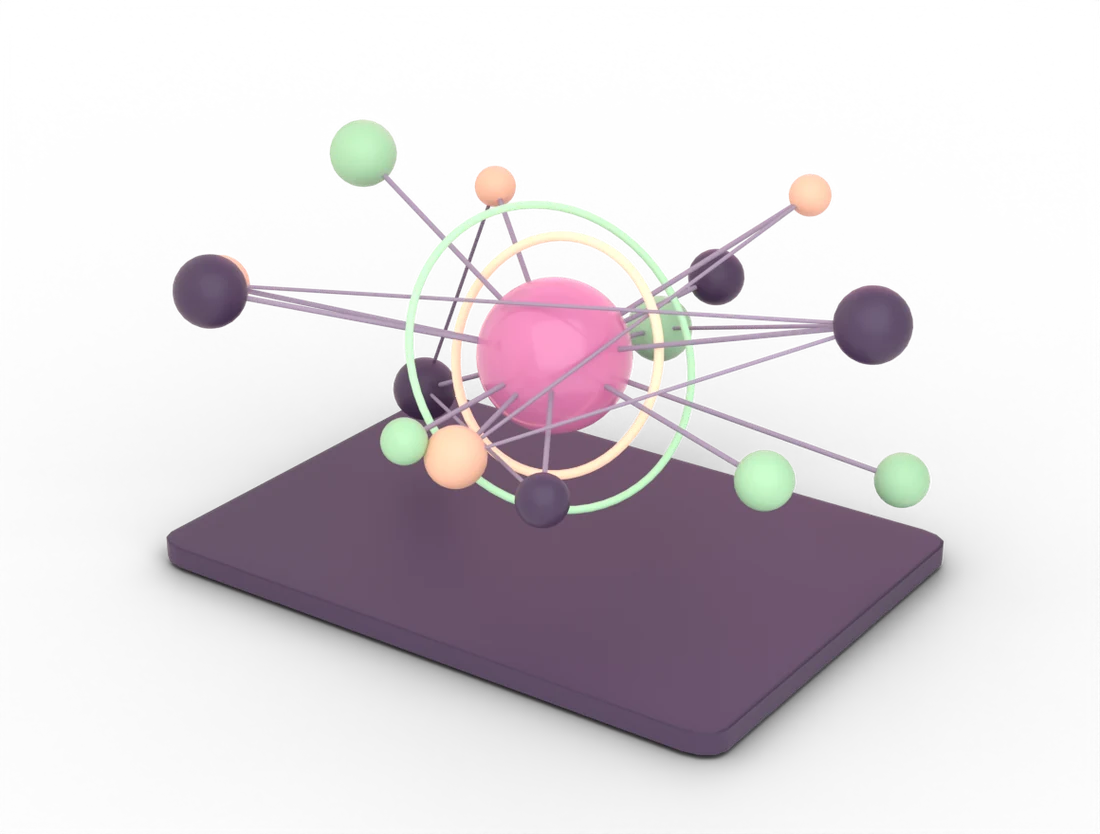
One knowledge engine, every layer of biology

Eight omics layers — genome to proteome — are stacked and read together, each feeding a single AI knowledge engine that integrates the signals into one interpretation.

AI ENGINE
Repository intelligence · 100M+ curated variants

Interactive Clinical Variant Explorer

Query, filter and inspect clinical genomic and multi-omic variants across ACMG classification tiers, somatic oncogenes and population allele frequencies.

Filter by
Curated clinical variants. Select a row to open its dossier.
Gene & locusProtein impact ACMG / AMP tiergnomAD pop AF Action

Demonstration data. Ten curated example records, chosen to show the interface. Coordinates, transcripts and therapeutic context are drawn from public knowledge; in silico scores are illustrative. Verify every record against ClinVar and your own pipeline before any clinical use.

Regulatory aligned · CAP / CLIA report format

Interactive Sample Clinical Molecular Report

Inspect a synthetic clinical genomics and multi-omics pathology dossier: actionable somatic variants, RNA expression signatures, homologous recombination status and NCCN Category 1 therapeutic matches — or export the whole record.

Synthetic patient, synthetic results. Every identifier, date, signature and digest on this report is invented to demonstrate the format. It is not a laboratory record.

Clinical locus inspection · integrative viewer

Interactive Multi-Omics Genome & Read Alignment Browser

Inspect alignments, per-base coverage depth, splice junctions and curated ClinVar hotspots across a locus, with every track drawn live from the window you choose.

600 bp window
Presets
Visible tracks
Bases AC GT

Synthetic alignments. Gene spans, exon structure for TP53 and every variant coordinate are real GRCh38 values; reads, coverage, splice counts and methylation are generated for the window you are viewing. The other three transcripts use a schematic exon model.

Disease areas

Depth where it matters clinically

Oncology

Solid & rare tumors

  • Glioblastoma (GBM)
  • Breast cancer
  • Lung cancer
  • Colorectal cancer
  • Pancreatic cancer
Rare disorders

Undiagnosed disease

  • Neurological
  • Mitochondrial
  • Developmental
  • Inherited syndromes
Neurology

Neurogenetics

  • Epilepsy
  • ALS
  • Parkinson's
  • Alzheimer's
  • Autism
Cardiovascular

Inherited cardiac

  • Cardiomyopathy
  • Arrhythmias
  • Aortopathy

AI clinical intelligence

The interpretation layer that sets us apart

A knowledge-graph engine that prioritises variants, applies guidelines and drafts the clinical narrative.

01

AI Variant Prioritization

Ranks candidate variants by pathogenicity, gene–phenotype fit and inheritance.

02

ACMG Classification Engine

Applies ACMG/AMP criteria with transparent, evidence-linked scoring.

03

HPO-driven Diagnosis

Matches phenotype terms to candidate genes to focus the search.

04

Literature Mining

Surfaces supporting evidence from the published record at scale.

05

Drug Repurposing

Connects molecular findings to existing and investigational therapies.

06

Clinical Report Generation

Drafts structured, reviewable reports for sign-out by clinical experts.

Why Tribro-Omics

Built as a platform, not a service desk

CapabilityTypical providerTribro-Omics
Clinical genomicsLimitedYes
AI interpretationLimitedYes
Multi-omicsPartialIntegrated
Single-cellLimitedYes
ProteogenomicsRareYes
Rare diseaseLimitedYes
Precision oncologyPartialComprehensive

Research output

Lead Publications

Peer-reviewed work where Kumar, A. is first or senior (last) author. Titles link to Google Scholar. The complete bibliography is on the Published Articles page.

Phenotype intelligence

From clinical observation to genomic evidence

Structured patient data collection with Human Phenotype Ontology (HPO) annotation: every finding is recorded as observed, coded to a versioned HPO term, and linked to genes, panels and variants for clinician review.

Collect

Registration, history, three-generation pedigree, 22 organ systems, examinations, laboratory and genomic results in one record.

Annotate

Search 18,387 HPO terms by name, synonym or plain language. Present, excluded and suspected findings stay separate from missing data.

Prioritise

Phenotype-driven ranking of 5,125 genes and 200 gene panels. A candidate list for review, never a diagnosis.

Exchange

Phenopacket, FHIR-mapped, TSV, CSV and PED exports with ontology version and provenance; de-identified research data sets.

Try the phenotype toolGene panelsForms and documentsReport templates

Submit a project

Detailed sample & analysis request

Tell us about your samples and goals. We'll scope turnaround, coverage and reporting and reply with a tailored plan.

Get in touch

Talk to our genomics team

Questions about diagnostics, collaboration or a quick scoping call — we reply within one business day.

Send a message

For general enquiries, partnerships and clinical questions.

✉️
Email
info@tribro-omics.com
💬
WhatsApp
+91 86603 08678
🌐
Web
tribro-omics.com
🕘
Hours
Mon–Fri · 09:00–18:00